3
tenders · light lunch
Small order, single side
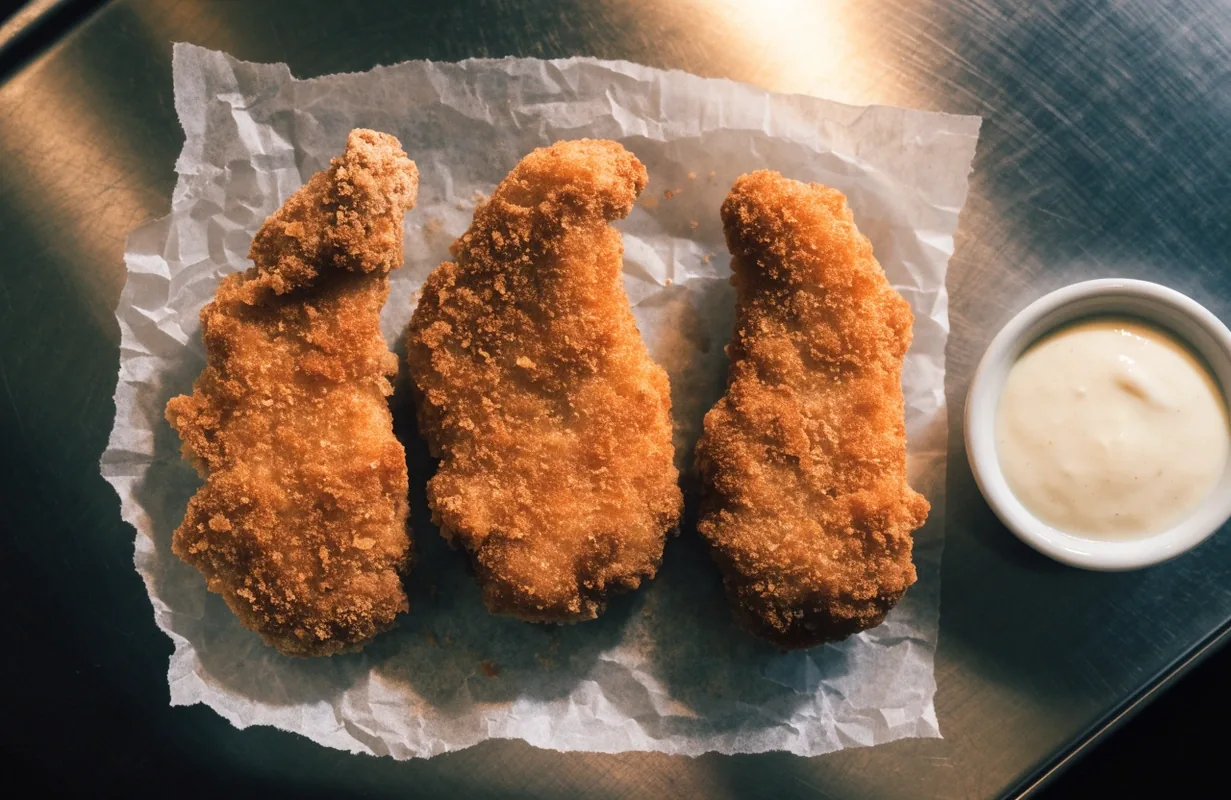
A three-piece order reads as a between-meals plate: enough to satisfy without weighing you down for the afternoon. Pair it with one side and a sauce and it stops feeling like a snack.
Kitchen hours
Monday – Sunday: 11:00 AM – 9:00 PM
+1-217-555-0198452 Maple Avenue, Springfield, IL 62704
This guide explains common tender meal formats and menu terms so you can shop and cook similar plates in your own kitchen. Smils Chikenes Kitchen is an educational publisher at 452 Maple Avenue, Springfield, IL 62704 — we do not sell food, process orders, or offer delivery.
Use this page as a reference for portions and combinations — how tender counts usually work, what a meal includes, and how wings, sandwiches and wraps differ when they land on your own plate.
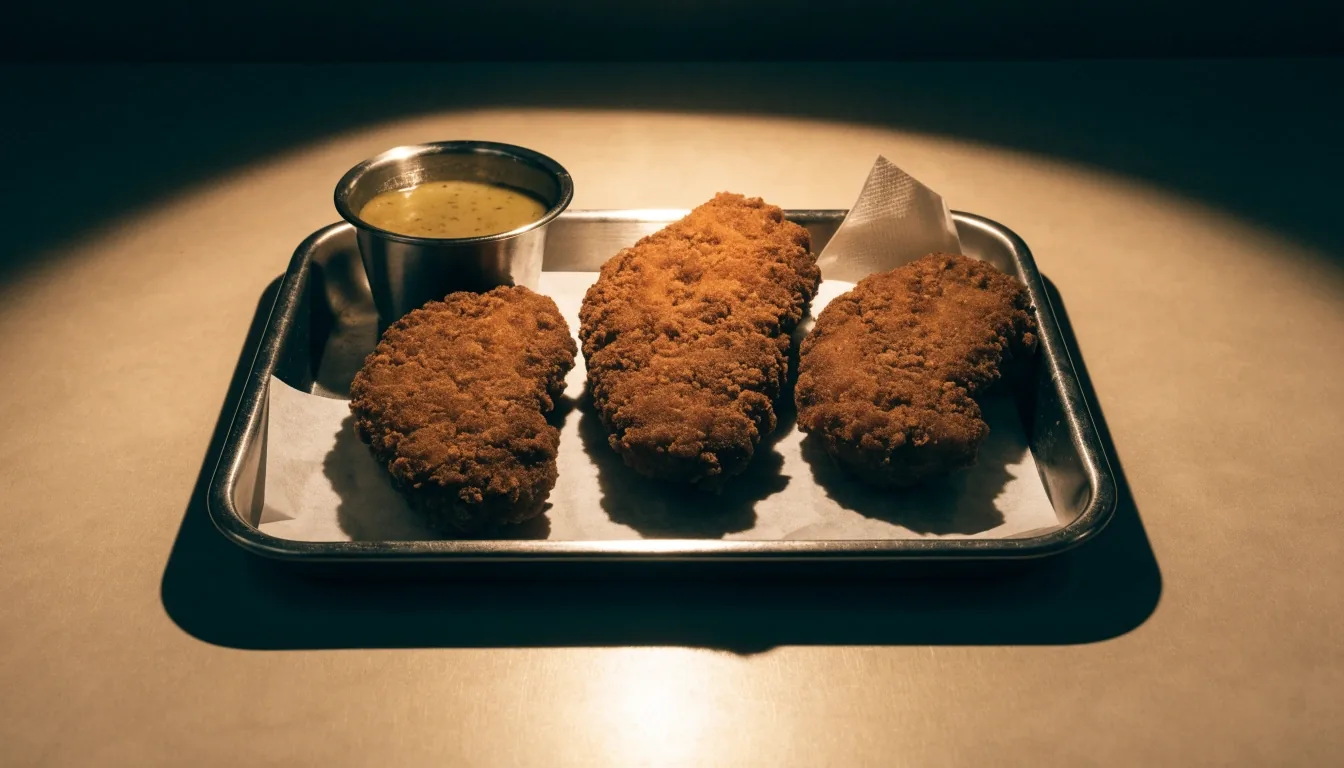
Many tenders-first menus list 3, 5, and 7-tender options — the same format seen on the Tender and Wing Meals page of chains like Slim Chickens. Three suits a light lunch, five suits a standard dinner, seven suits sharing or a hearty appetite.
At home, plan three to four tenderloins per adult for a main, and add more when tenders are the only protein on the plate.
A three-piece order reads as a between-meals plate: enough to satisfy without weighing you down for the afternoon. Pair it with one side and a sauce and it stops feeling like a snack.
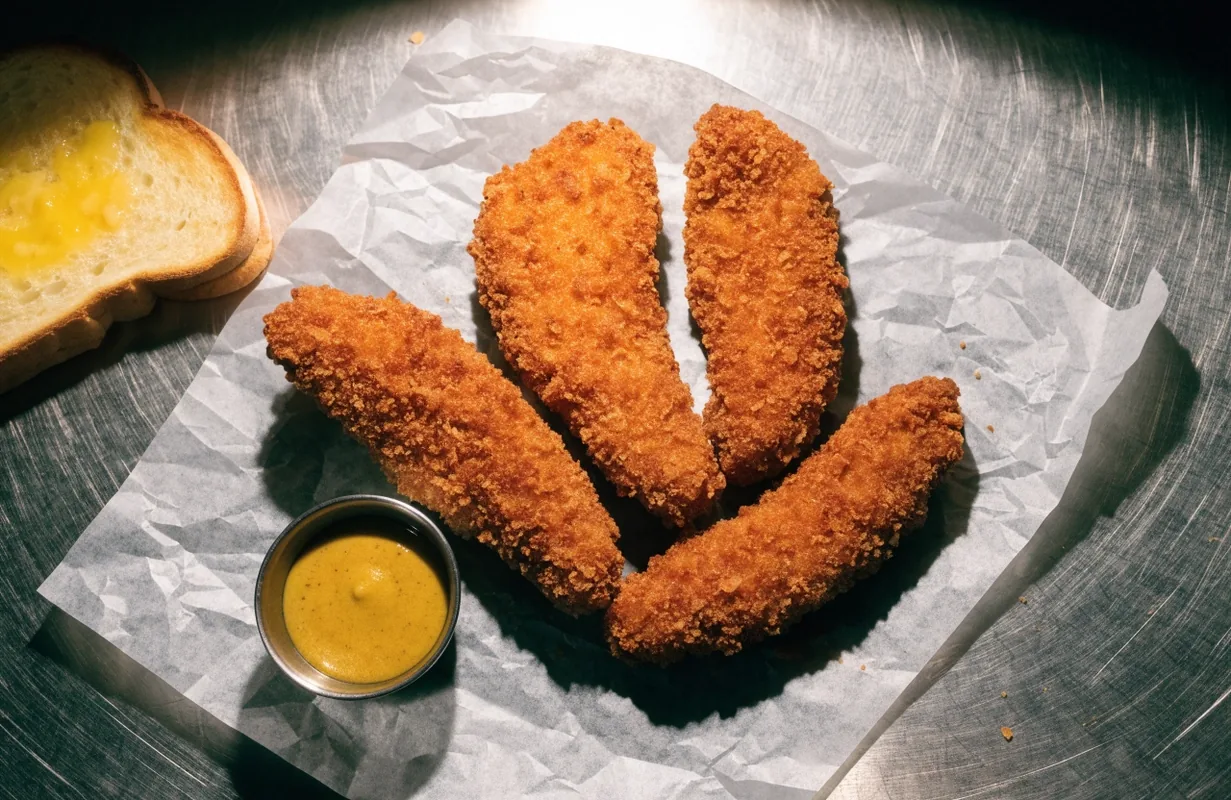
Five tenders lands where the toast, a side and a drink all fit beside it without crowding. This is the number to think about when you copy a chain menu at home — it is the middle weight that sets the rest of the plate.
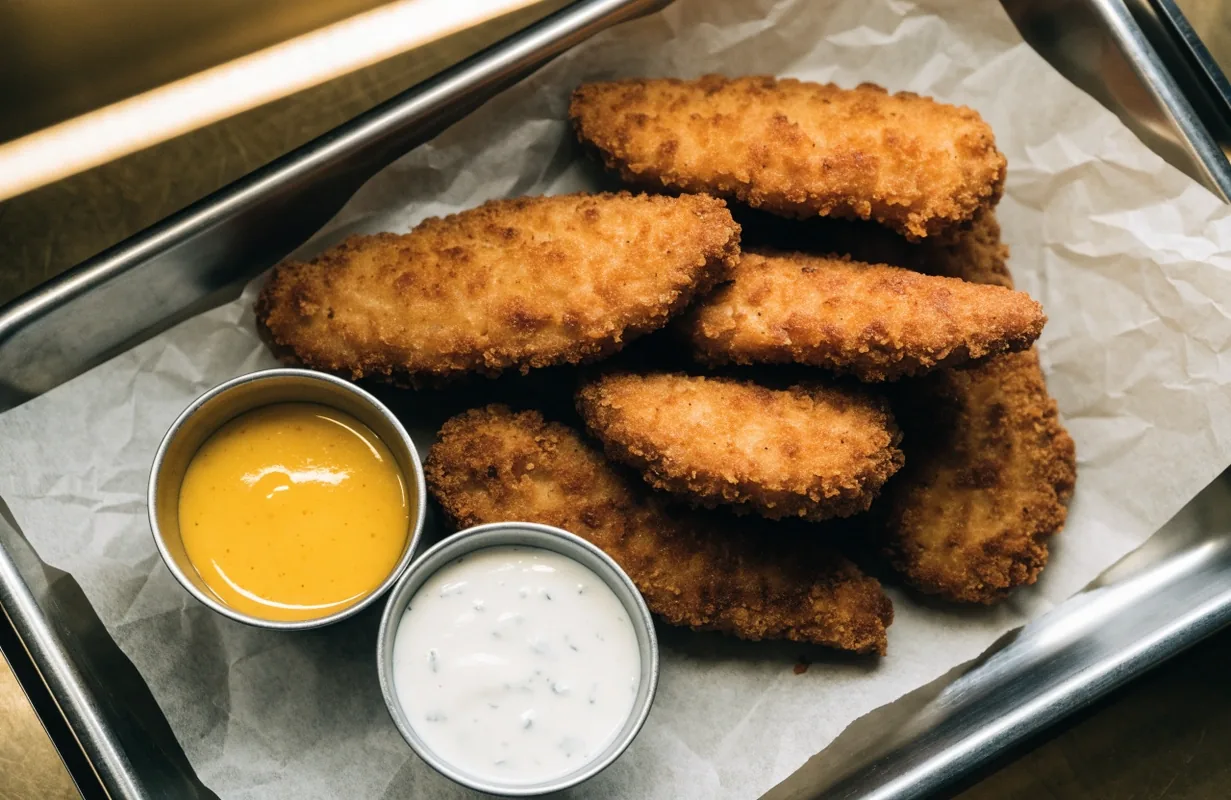
A seven-tender order is what you build when two people split a plate or one very hungry guest shows up. Add a second side and a second sauce; the tenders themselves still cook in one batch.
A tender meal format often pairs tenders with Texas toast, one side, a dipping sauce, and a drink. The toast adds butter and chew, the side adds bulk, the sauce adds character. Recreating it comes down to order of operations more than any single recipe.
Fry the tenders last so their crust is at its crispest when it hits the plate. Rest them a minute on a rack, never on paper — the crust holds.
Toast the bread while the chicken rests. A buttered slice, toasted in the same pan or a dry skillet, comes off warm when the tenders are ready to plate.
Portion sauce in small cups rather than pouring over the plate. A small ramekin lets each person dip at the strength they want and keeps the crust from softening.
Add one side — slaw, pickles, or a fresh salad — right before serving. It brings the fried plate back into balance and it does not need last-minute attention.
Run it in that order and everything is hot at once: chicken crisp, toast warm, sauce cold, side fresh. That sequencing is the whole trick.
Each uses similar chicken but a different assembly. Wings eat saucier and messier than tenders. Sandwiches stack a fillet on a bun with pickles and sauce. Wraps roll chopped tenders with lettuce and house sauce in a tortilla.
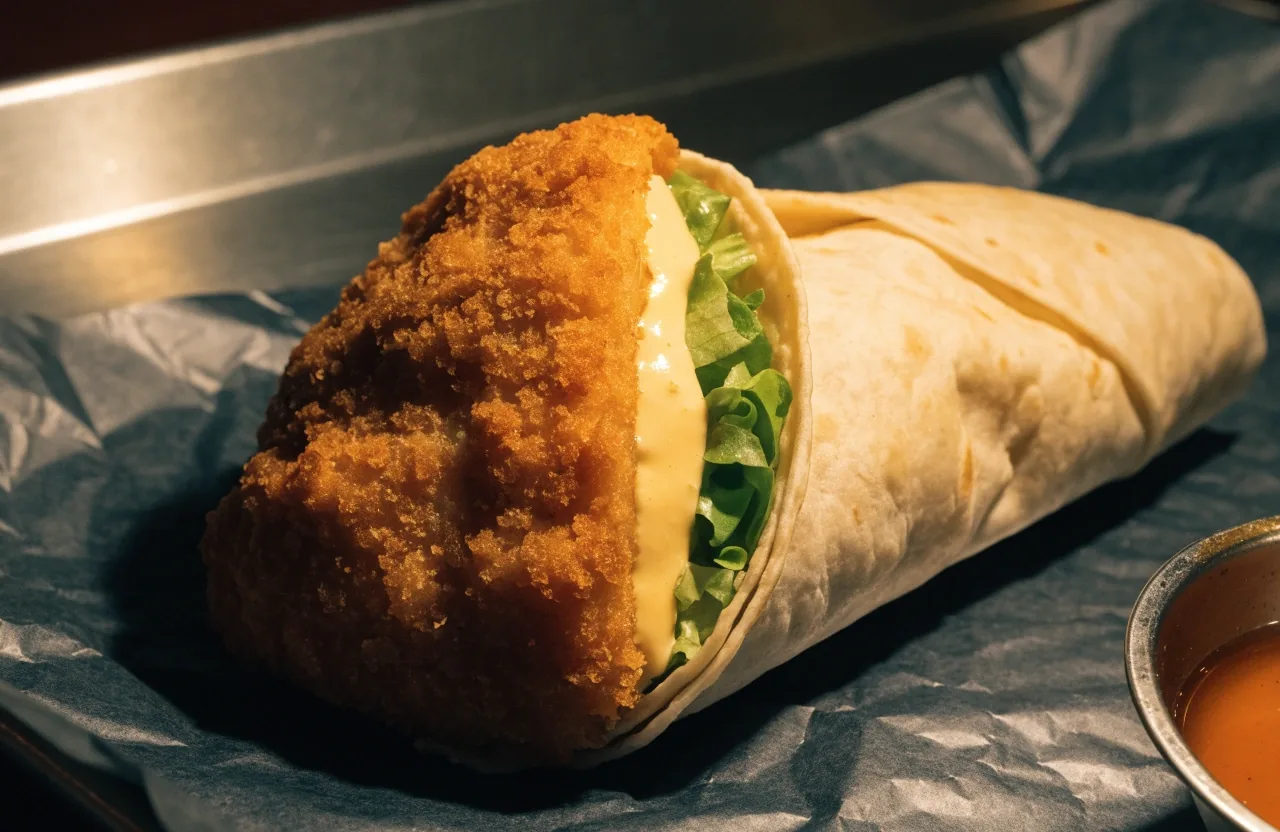
If your breading is thick, chop the tenders smaller before wrapping so the tortilla rolls without tearing.
Saucier and messier than tenders — the sauce lands on the piece, not beside it. At home, toss wings in sauce after they drain, in a bowl big enough to coat without crushing the crust. Serve with more napkins than you think you need.
A fillet on a bun with pickles and sauce. Build the bun the way you like it — toasted cut-side down in butter — then lay the fillet on, pickles under or over to taste, and spoon sauce on the top bun so it meets the crust last.
Chopped tenders with lettuce and house sauce in a tortilla. Chop after the tenders have rested, keep the pieces around two bites wide, and warm the tortilla briefly so it folds without cracking.
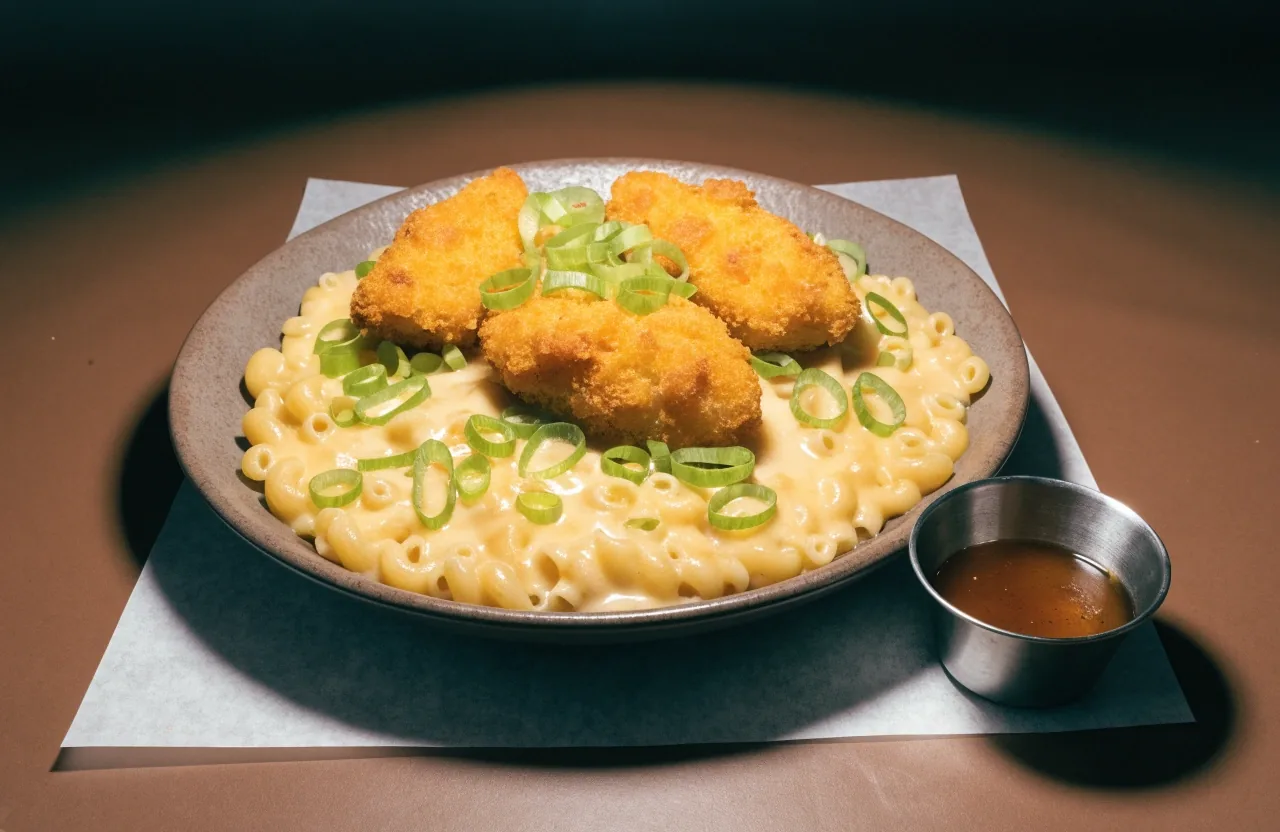
Some menus build mac bowls from chopped tenders and cheese sauce — a comfort-food shortcut that stretches chicken across a bigger portion without making more of it.
Cook the tenders crisp and let them rest on a rack.
Chop them only after resting, into bite-sized pieces.
Fold through hot mac just before serving. Keep extra sauce on the side.
Late folding protects crunch — the tenders stay crisp on the top layer for the first few minutes the bowl is on the table, which is the whole point of the format.
Fried-chicken menus across the U.S. share a vocabulary. Once you know what the words usually mean, you can predict the flavor of a plate before you cook it at home.
Classic fried profiles like KFC read familiar and peppery. Church's Texas Chicken reads hearty, with sandwiches alongside classic pieces. Spicy sandwich references like Popeyes read crunch plus heat.
Use those cues to predict flavor before you cook — if a menu says Southern-style and spicy, expect a peppery dredge with a hot finish, and season your flour accordingly.
Biscuit builds mean chicken on a buttery biscuit, often with egg or honey butter. They eat softer and richer than bun sandwiches. Burger-style means a patty or thick fillet with full toppings.
Toast already adds a starch. One side is enough — slaw or pickles rather than a second fried element.
When two people split the tenders, a second side keeps portions honest and lets each person choose their own balance.
Acid and crunch cut through fried breading better than another starch. Keep a jar of pickles in the fridge and a bag of slaw mix on hand.
Two starches double down on the comfort. Good when the tenders are feeding four or more; heavy when you are solo.
Shop once: chicken, bread, one sauce set, one fresh side. That is a full tender meal, and nothing in the list goes to waste.
This menu guide covers the formats and terms. The recipe pages cover the actual cooking — breading ratios, oil temperature and resting times — so you can build the plate with your own hands.
Hand-breaded chicken tenders, dredge to plate — the crust, the oil and the numbers behind the crispiest result.
Fillets, buns, pickles and sauce — how to stack a chicken burger that holds together on the plate.
Honey mustard, buttermilk ranch, hot honey, comeback — the side that turns a plate into a meal.