Honey mustard
The base plus honey and a spoon of Dijon. Sweet first, then the mustard catches up. Families with kids tend to finish this jar first.
Kitchen hours
Monday – Sunday: 11:00 AM – 9:00 PM
+1-217-555-0198452 Maple Avenue, Springfield, IL 62704
Sauces and Sides
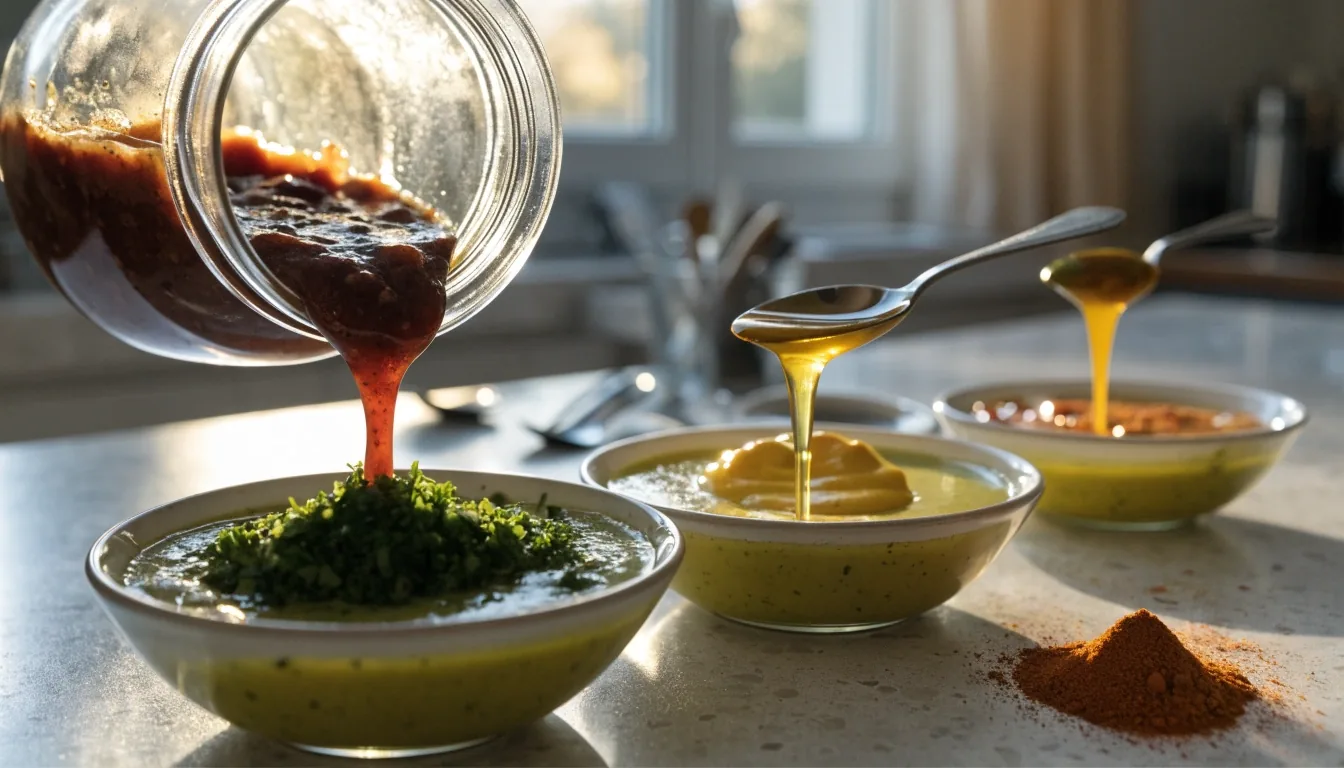
Sauces and sides turn fried chicken into a meal. Sauce decides more than the breading does — here are house-style dips, buttery Texas toast, and sides that hold their own next to chicken tenders and burgers.
One starch, one fresh side, one sauce you made yourself.
That is the whole method. A warm side adds comfort, a cold fresh side cuts the richness, and the dip is what people at the table reach for twice. Everything on this page uses pantry ingredients and small batches — nothing here needs a blender, a special pan, or an order at the counter.
The one to make first
Peppery, pink, and slightly tangy — the sauce most people mean when they say house sauce for tenders. It takes four minutes to mix and twenty to settle.
What goes in
Whisk it smooth, then chill for twenty minutes so the pepper hydrates and the flavors settle. Adjust in one direction at a time: more black pepper for bite, more ketchup for sweetness. This is the peppery profile many readers expect next to hand-breaded chicken — the same spirit menus at tenders-first chains like Slim Chickens built a following on, only in a small bowl in your own kitchen instead of a paper cup at the counter.
Easy dipping sauce recipes, four ways
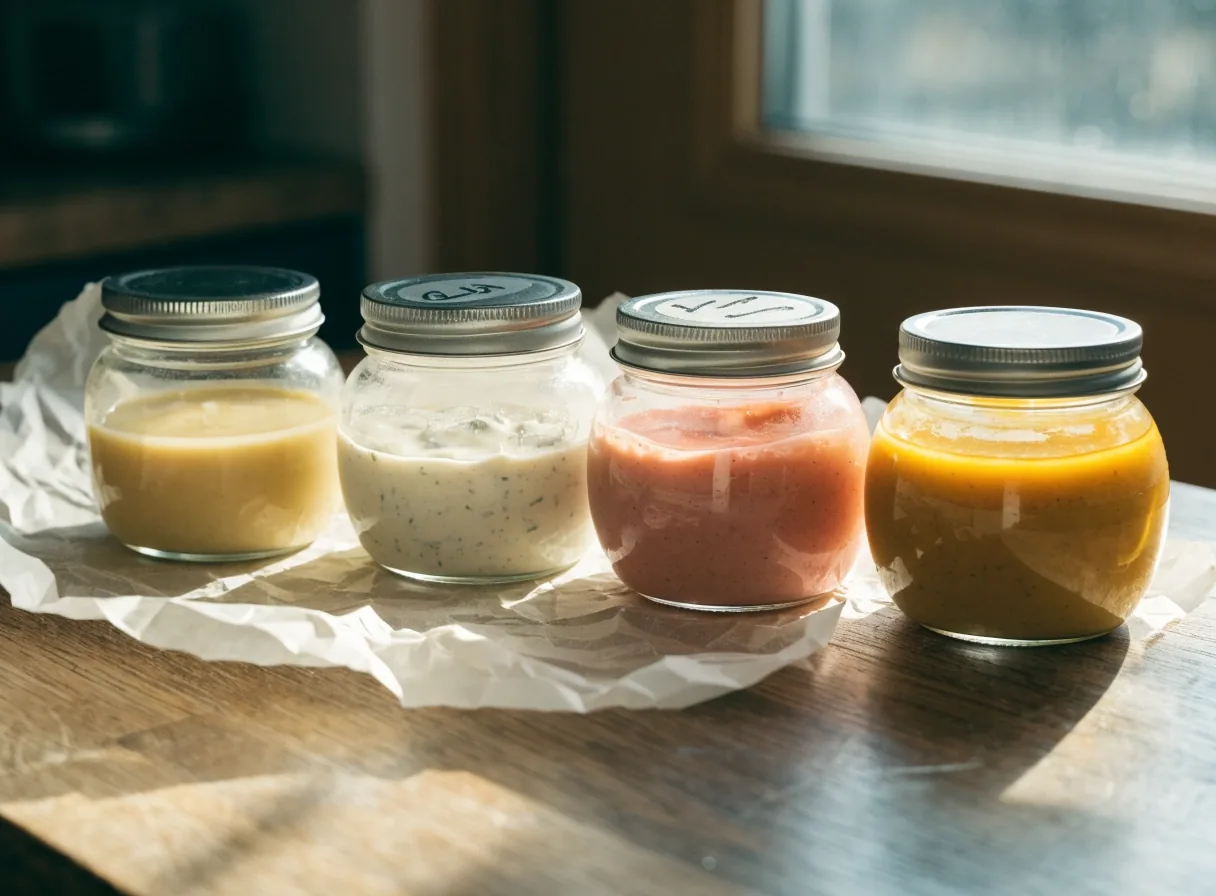
Start with mayo and an acid — a squeeze of lemon or a splash of vinegar — then split the bowl. Each jar below is the same starting mixture with one flavor pushed forward.
The base plus honey and a spoon of Dijon. Sweet first, then the mustard catches up. Families with kids tend to finish this jar first.
Buttermilk and chopped herbs instead of the ketchup. Thin with a little more buttermilk for pouring; keep it thick for dipping a whole tender.
Hot sauce and smoked paprika folded into the base. This is the one to spread on a chicken burger bun before the patty goes on.
Melted butter and grated garlic — not a dip but a finish. Brush it on the toast as it comes off the skillet, or use it to gloss a burger bun.
Small jars keep for a few days refrigerated, so one whisking session covers several meals. Label the heat level on the lid — a piece of masking tape with "H" written on it is enough — so kids and spice fans both find their jar without asking. Keep the garlic butter in a small dish near the stove; it hardens in the fridge and wants a quick reheat.
Texas toast side, made in a skillet
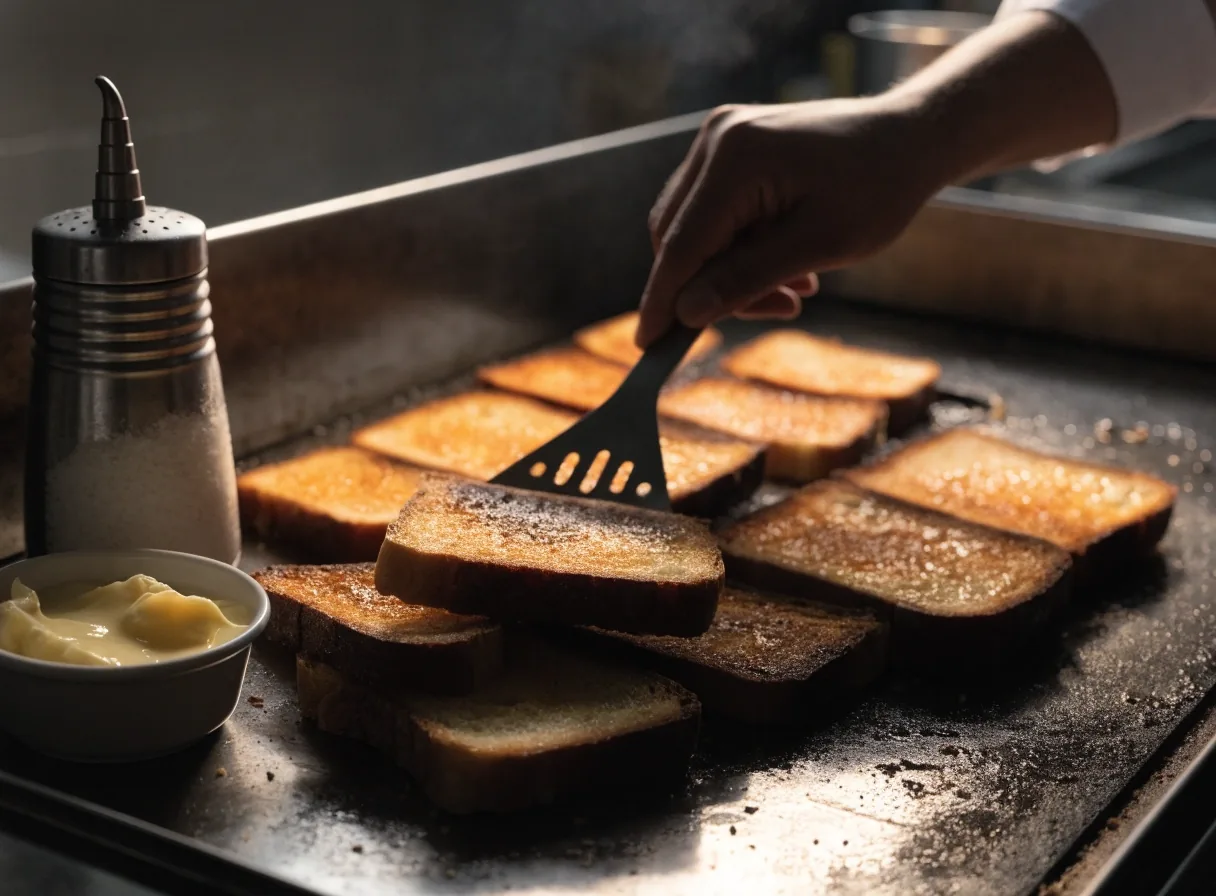
Use thick-cut white bread, the kind that holds its shape under butter. Butter both sides lightly, dust with garlic powder and salt, then toast in a skillet until golden and just firm at the crust.
Keep the finished slices warm and uncovered — stacked toast steams itself soft. Texas toast is a side and a tool at the same time: built for dragging through dipping sauce, and it does the same work next to wings, chopped-tender wraps, and mac bowls.
Reheated toast turns tough, so toast as many slices as the table will eat and start a fresh batch if the platter runs dry.
Sides for chicken burgers and tenders
Pick one fresh and one warm. That balance keeps comfort food satisfying instead of heavy, and it saves you from running two fryers at once.
Coleslaw
A sharp, cold slaw cuts richness better than another fried thing does. Cabbage, a little onion, mayonnaise thinned with vinegar — dress it just before the table so it stays crisp.
Fresh side
Oven fries
Crunch without a second fryer batch. Cut them thin, dry them well, oil and salt, and roast hot on a sheet pan the same night you fry the chicken.
Warm side
Simple pickles
A palate reset between bites, and the cheapest thing on the table. A few good pickle spears on the plate do more than a fancy garnish will.
Fresh side
Mac bowls
Hearty enough for cold nights. Ladle the mac into a bowl and set chopped tenders on top so the breading stays crisp instead of steaming under sauce.
Warm side
Match the dip to the breading
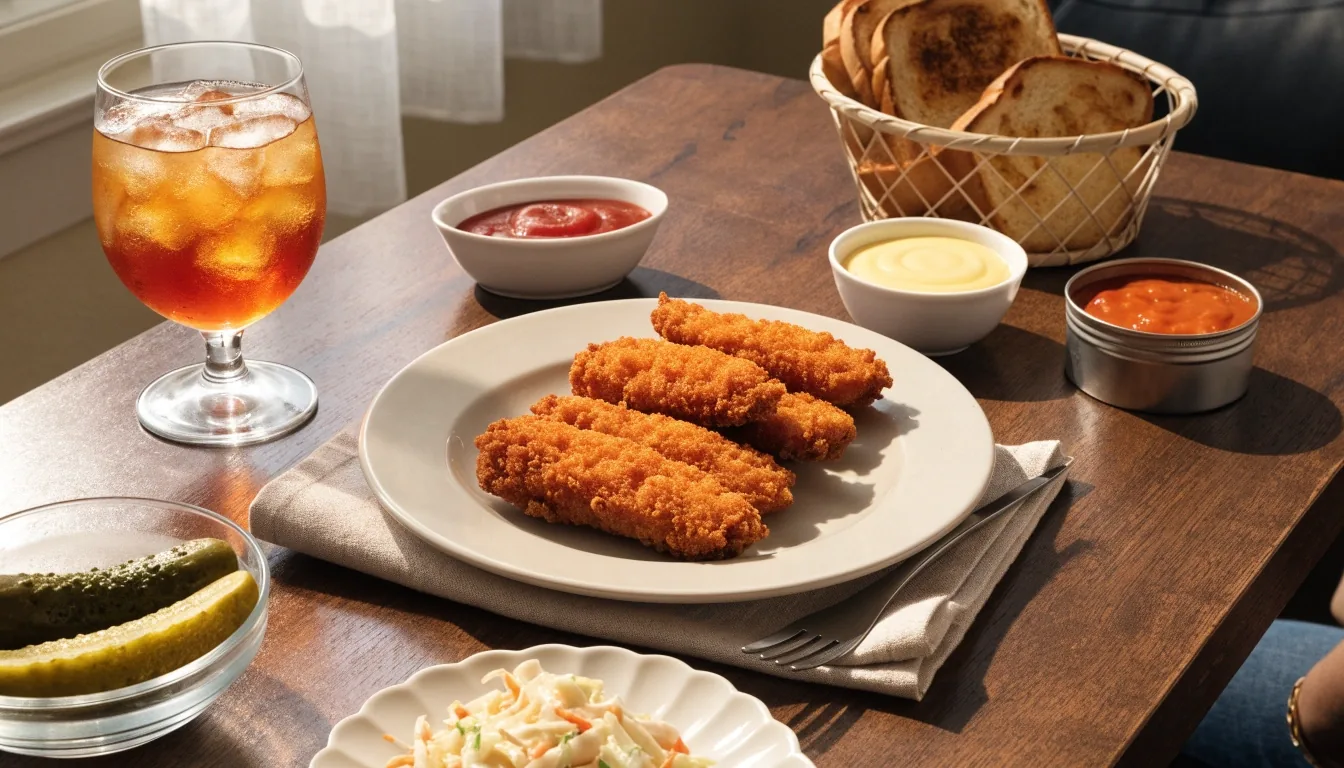
Breading salt levels differ from one batch to the next, so taste the first tender before you set the table. It is the fastest way to know which jar is about to empty.
Storage and food safety
Dairy-based sauces — ranch-style, garlic butter, anything built on mayonnaise without a lot of acid — stay refrigerated and get discarded after three to four days. Mark the day you made them on the jar lid and you will never have to guess.
Never reuse a dip that has touched raw chicken, and keep a separate spoon for the hot pan and the cold jar. Bread fresh on the day you serve it; reheated toast turns tough and no amount of butter brings it back. If you are cooking for a crowd in Springfield, IL — a game night, a birthday, a full house — make the sauces ahead and fry the chicken last, so crunch meets cold sauce right at the table.
Curious how the sauces land against a full menu of tenders, wings, sandwiches and wraps? The menu guide walks through what tenders-first chains serve and how that maps onto what you can make at home.
Questions at the table
Texas toast, coleslaw, fries, pickles, and simple salads. Choose one starch and one fresh side — a plate runs satisfying instead of heavy when the table has both.
Menus built around tenders and house sauces — the Slim Chickens menu, with its tenders, wings, sandwiches, wraps and a deep sauce list, is the one most often named for sauce variety. At home, mix small batches so you can match that range across a few weeks instead of one jar of the same thing.
About two tablespoons per serving for dipping, and more if the plate includes wraps or a mac bowl. Make extra pepper sauce; it goes first, every time.
Where to go next
Smils Chikenes Kitchen is a cooking resource — no orders, no delivery, just what works in a home kitchen. When the table is ready, start on the tenders, or build the burger next. Both pages walk through hand-breaded chicken step by step.
Questions about a sauce, a substitute, or a side you want to swap? Reach us at Ask about sauces — we answer from the kitchen, not a call center.